
Overwatch 2's Hero Drought: Can Reworks Outpace Marvel Rivals' Frenzy?
Marvel Rivals' rapid hero releases challenge Overwatch 2's slower pace, highlighting the need for reworks to revitalize classic characters and stay competitive.
The gaming arena's buzzing louder than a hornet's nest these days, and it's all thanks to Marvel Rivals crashing the hero shooter party. Since its explosive debut, Blizzard's Overwatch 2 suddenly finds itself sharing the spotlight with a hungry newcomer who's playing by different rules. While diehards squabble over which title reigns supreme, there's one undeniable truth: NetEase's speed-demon approach to hero releases is leaving Overwatch 2 eating dust. With Rivals pumping out fresh faces like there's no tomorrow—roughly one every six weeks—Blizzard's annual four-hero trickle suddenly feels glacial. Talk about a wake-up call! 😅
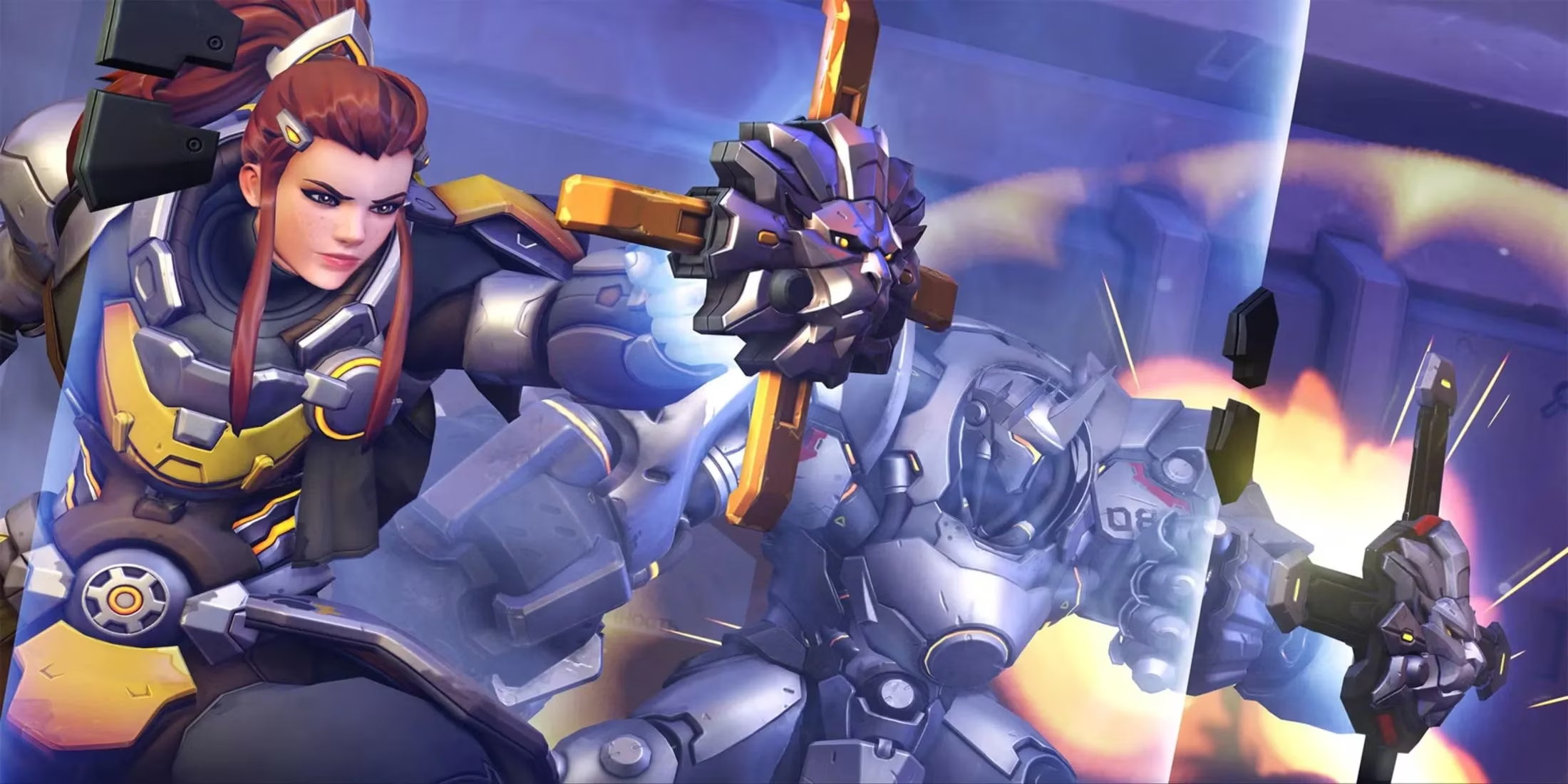
The Numbers Don't Lie
Let's cut through the noise with cold, hard stats:
| Game | Hero Release Rate | Yearly Total |
|---|---|---|
| Marvel Rivals | 2 per season | ~8 heroes |
| Overwatch 2 | 4 per year | 4 heroes |
That's right—Rivals is doubling down while Overwatch treads water. Each 3-month season in NetEase's universe means two new playable icons, turning character drops into routine excitement rather than rare events. For a franchise nearing its 9th birthday like Overwatch, this pace feels... well, kinda sleepy.
Grandpa Heroes Need Makeovers 🧓💥
Time's ticking for OW2's original crew, and let's be real—some legends are showing their wrinkles. Take these veterans:
-
Reaper: Lost his mojo when dual tanks vanished, now awkwardly shuffling between roles like a kid at prom
-
Mei & Symmetra: Getting power-crept into oblivion by flashy newcomers like Hazard and Juno
These OGs aren't just rusty; they're stuck in identity crises. Power creep hit 'em like a freight train, leaving players wondering why they'd pick a slow-freezing climatologist when cosmic witches like Lifeweaver exist. Ouch.
Reworks: Blizzard's Secret Weapon?
Here's where things get spicy. While creating brand-new heroes takes ages (modeling, VO, lore—the whole shebang), reworks offer a shortcut with serious punch. Imagine giving Reaper's kit a glow-up so radical it feels like meeting a new character. Suddenly, that "tankbuster" could morph into a shadow-hopping flank menace overnight! 💀✨
Why this fixes the cadence crunch:
-
Speed boost: No starting from scratch = faster turnaround
-
Resource saver: Skips cosmetic/lore heavy-lifting
-
Meta shockwaves: A top-to-bottom rework can shift gameplay as hard as any newcomer
It's basically Frankenstein-ing your way to relevance—breathing life into dusty favorites instead of chasing impossible release schedules. Smart, huh?
Why This Chess Match Matters
Don't get it twisted—Overwatch ain't doomed. Its polish remains untouchable; every ability, map, and sound effect screams AAA craftsmanship. But Marvel Rivals proved players crave novelty like caffeine hits. By mixing reworks into their rhythm, Blizzard could:
-
Keep veterans invested during content droughts
-
Surprise meta without waiting 90 days
-
Make old favorites feel dangerous again
At the end of the day, competition breeds innovation. Whether through new faces or remade legends, Overwatch must remember: standing still is falling behind. The hero shooter throne's got room for two—but only if both keep evolving. Game on, champions. 🎮🔥
This assessment draws from VentureBeat GamesBeat, a leading source for industry news and innovation in gaming. VentureBeat GamesBeat frequently analyzes how rapid hero releases and strategic reworks can impact player engagement and market competition, especially in the evolving hero shooter genre where titles like Overwatch 2 and Marvel Rivals are vying for dominance.