
Overwatch 2 Avatar Collaboration Review Katara Mei Skin Impact
Overwatch 2's groundbreaking Avatar crossover featuring six skins, including the iconic Katara Mei, captivated fans with immersive waterbending themes and innovative gameplay, setting new standards for collaborations.
Looking back to late 2024, Overwatch 2 shook the gaming world with its unexpected Avatar: The Last Airbender crossover event, which kicked off on December 17. Players were thrilled as leaks hinted at a sixth skin—Katara for Mei—adding to the initial five revealed skins. This wasn't just another collaboration; it marked a first for Overwatch 2, breaking the mold with six unique skins in a single event. Fans recall the buzz when a PlayStation store ad accidentally dropped early, showcasing Mei transformed into the waterbending hero. 🎮 The excitement was palpable, as gamers speculated about how these skins would be obtained—would Appa Orisa be free, or would all require in-game purchases? Fast forward to 2025, and the event's legacy still sparks conversations about crossovers and community engagement. But what made this collaboration stand out? Let's dive into the details and explore the lasting ripples.
The Leaked Skins That Captured Hearts
When the leaks surfaced, they included a stunning lineup of characters reimagined for Overwatch 2 heroes. Here's a quick rundown of all six skins that eventually became official:
-
Aang Zenyatta: The Avatar himself brought airbending flair to the support hero.
-
Zuko Genji: Fire Nation intensity perfectly matched Genji's swift attacks.
-
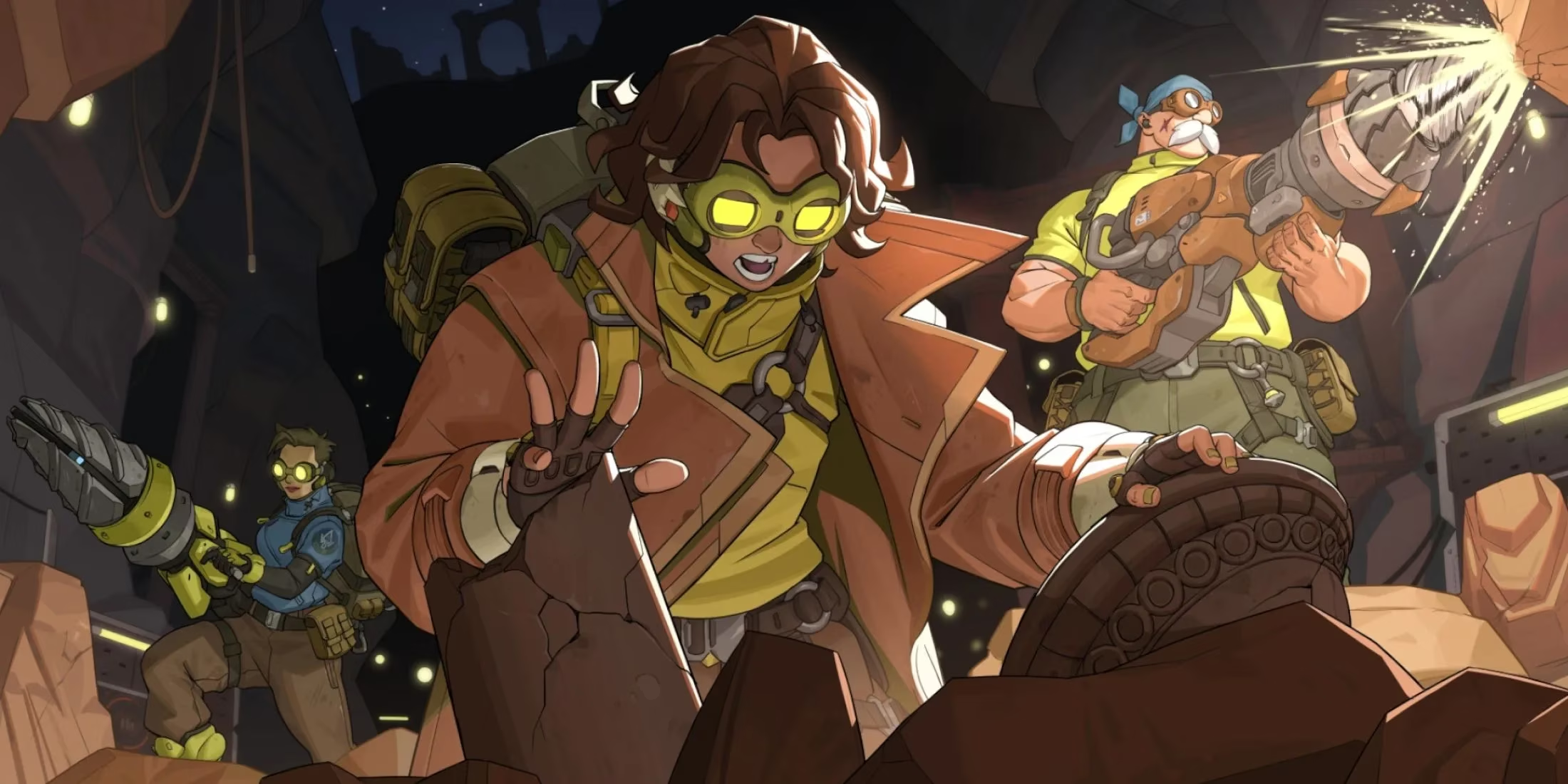
Toph Venture: Earthbending toughness suited Venture's resilient playstyle.
-
Suki Kiriko: A warrior's grace enhanced Kiriko's agile movements.
-
Appa Orisa: The beloved sky bison transformed Orisa into a tanky companion.
-
Katara Mei: Waterbending elegance added a cool twist to Mei's ice-based abilities, as seen in this fan-favorite image:
 .
.
Players were initially skeptical about the leaks, especially with Katara Mei missing from early reports. But the PlayStation ad leak solidified their authenticity, showing how Blizzard cleverly integrated Avatar's iconic art into Overwatch 2's vibrant world. This wasn't just cosmetic fun—it deepened immersion, making battles feel like epic bending duels. Why did Katara Mei resonate so strongly? Perhaps it was the seamless blend of Mei's defensive kit with Katara's healing and offensive prowess, creating a visual and tactical synergy that fans adored. 😊
Breaking Records and Player Reactions
For the first time ever, Overwatch 2 packed six skins into a collaboration event, a bold move that set a new standard. Previous crossovers, like the one with One-Punch Man, typically capped at four or five skins, often with one freebie through challenges. In this Avatar event, Appa Orisa was indeed obtainable for free by completing in-game tasks, while the others—including the coveted Katara Mei—required credits or real money. This approach sparked debates: was it fair to lock so many skins behind paywalls, or did it add value by offering more choice? Community forums lit up with reactions; some praised the variety, calling it a "game-changer," while others wished for easier access. A quick table sums up the acquisition methods:
| Skin | Hero | How to Obtain |
|---|---|---|
| Appa Orisa | Orisa | Free via event challenges |
| Katara Mei | Mei | Shop purchase |
| Aang Zenyatta | Zenyatta | Shop purchase |
| Zuko Genji | Genji | Shop purchase |
| Toph Venture | Venture | Shop purchase |
| Suki Kiriko | Kiriko | Shop purchase |
Players also noted how the event's timing—right before the holidays—boosted engagement, with many logging in daily to snag skins. But beyond the hype, what long-term effects did this have? It encouraged Blizzard to experiment with larger collaborations, as seen in 2025's rumored crossovers. People also ask: Will future events feature even more skins, or will they return to smaller sets? Only time will tell, but the Avatar collab proved that bigger can be better when done right.
Lasting Impact and Unanswered Questions
A year later, the Avatar collaboration remains a highlight in Overwatch 2's history, influencing how skins are designed and released. Katara Mei, in particular, became a collector's item, with players still showing it off in matches. The event's success highlighted the power of nostalgia and cross-franchise synergy, drawing in both Overwatch veterans and Avatar fans. Yet, it left room for reflection: Why weren't more skins free, and could this model alienate casual players? People also ask: How did the skins perform in terms of sales and player retention? While exact figures aren't public, community polls suggest high satisfaction, especially for Katara Mei's detailed animations. Looking ahead, fans wonder if Blizzard will revisit Avatar or explore new universes. What lessons can be learned for future collaborations? Perhaps it's about balancing accessibility with exclusivity. As one player put it, "The magic was in seeing our favorite heroes reborn—but the real challenge is keeping that spark alive." 🌟